

Pacific Fusion
in New Mexico
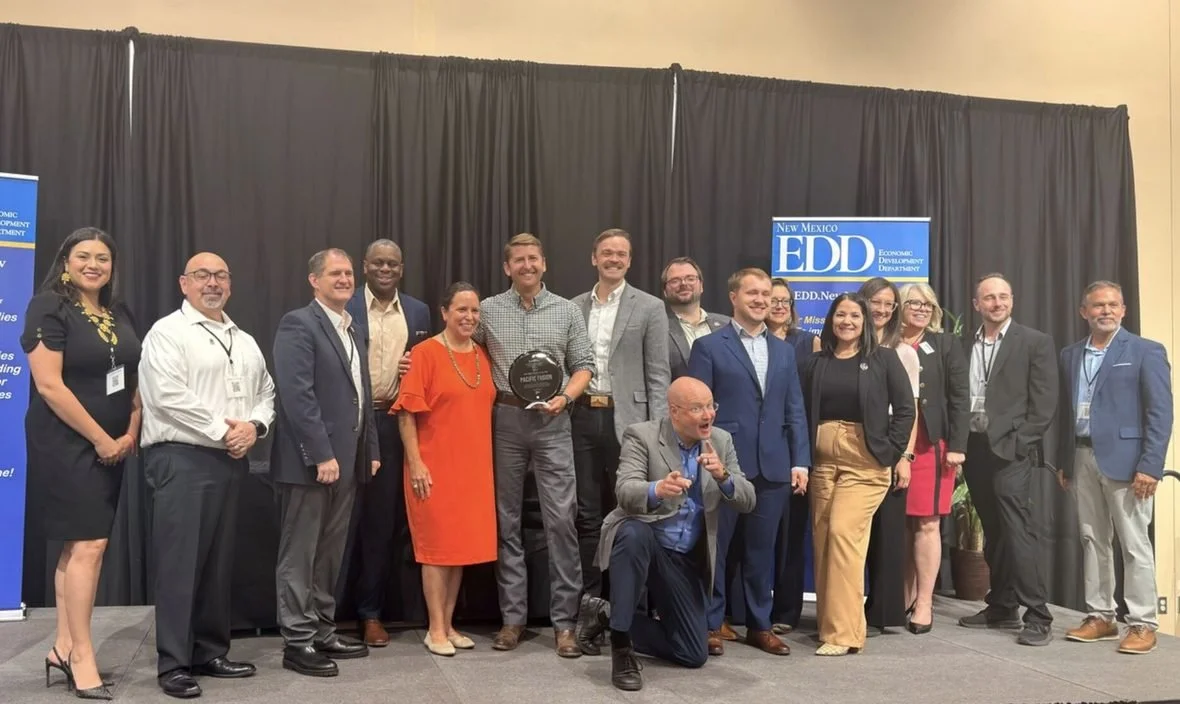
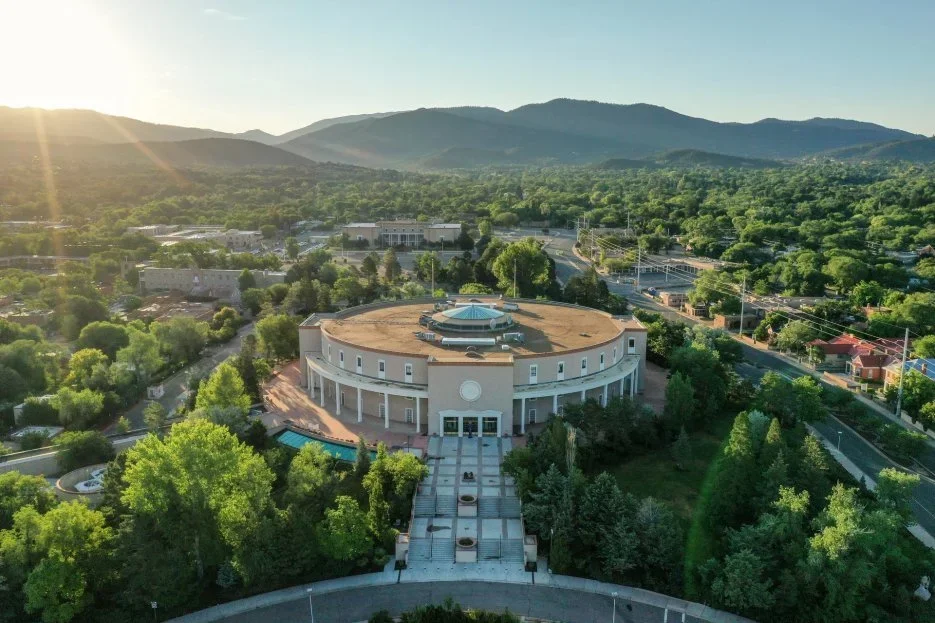
Pacific Fusion has selected New Mexico for its Research and Manufacturing Campus and Build Center.

Latest News
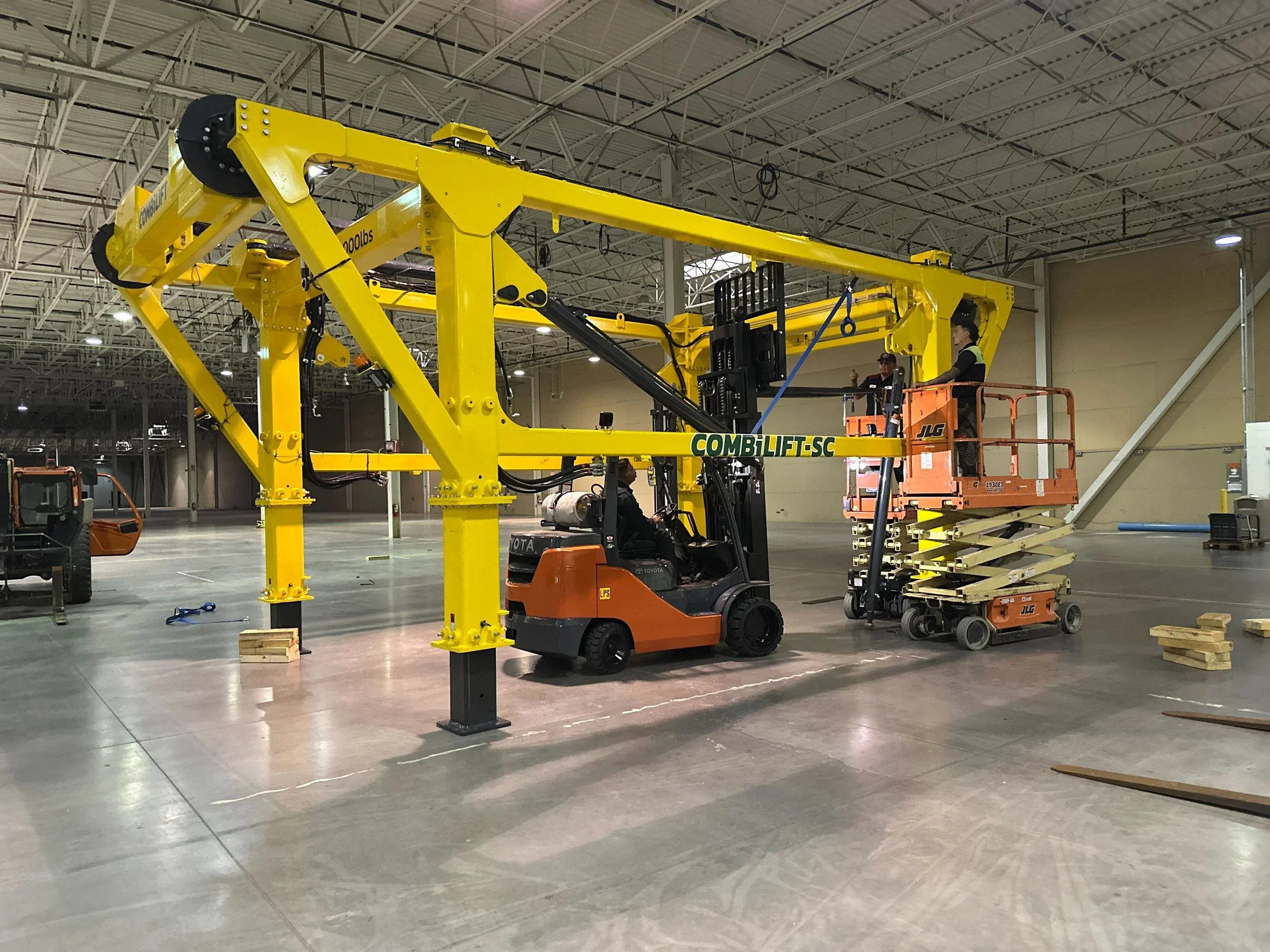
Announcing the Los Lunas Build Center

Valencia Country News Bulletin
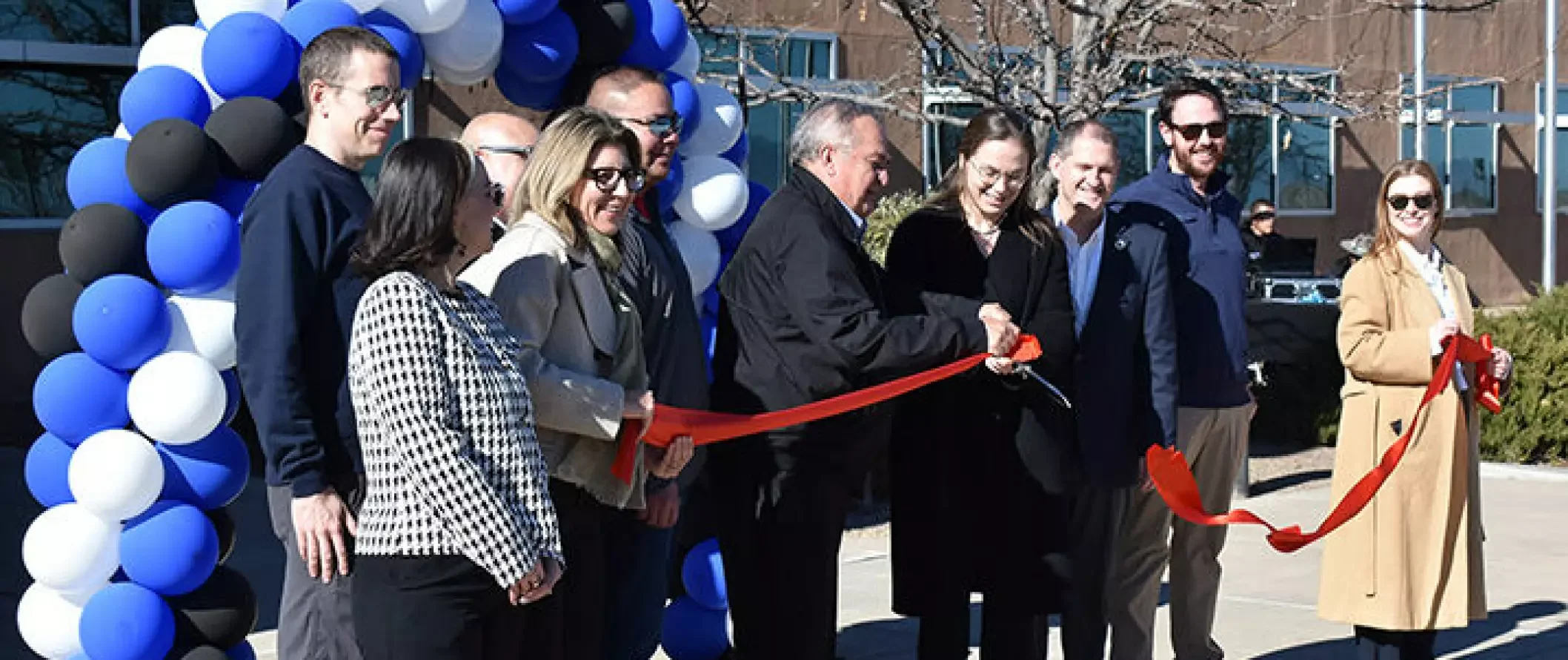
Valencia County News Bulletin
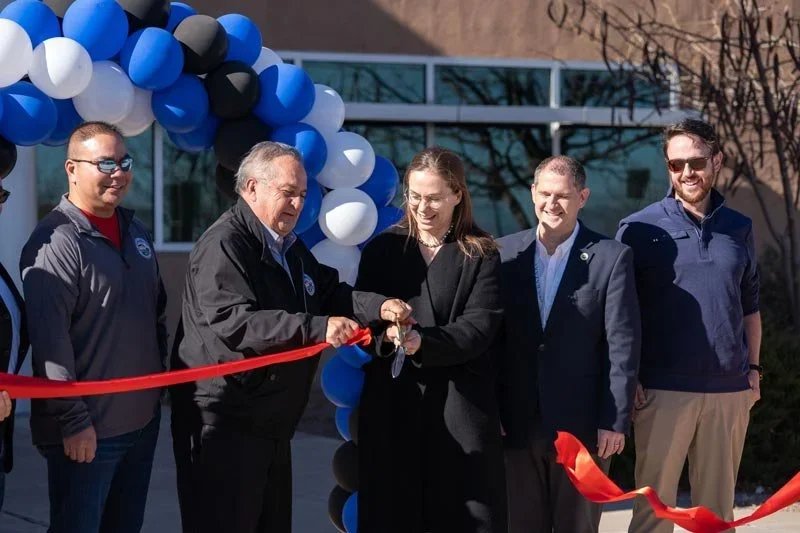
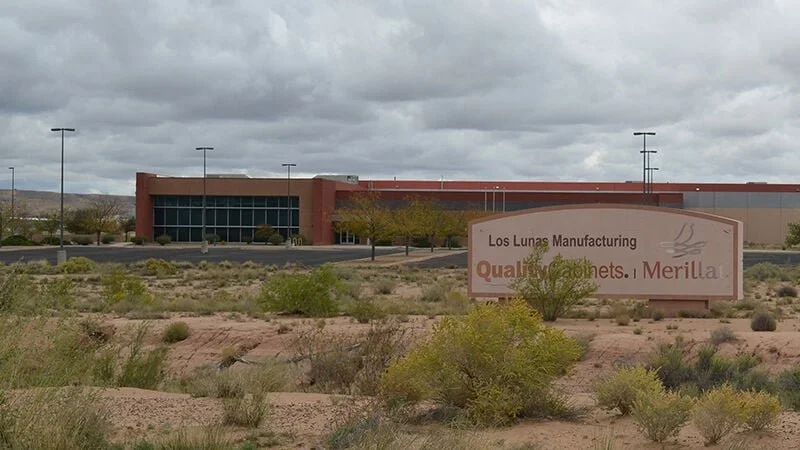
Los Lunas, Pacific Fusion celebrate opening manufacturing hub
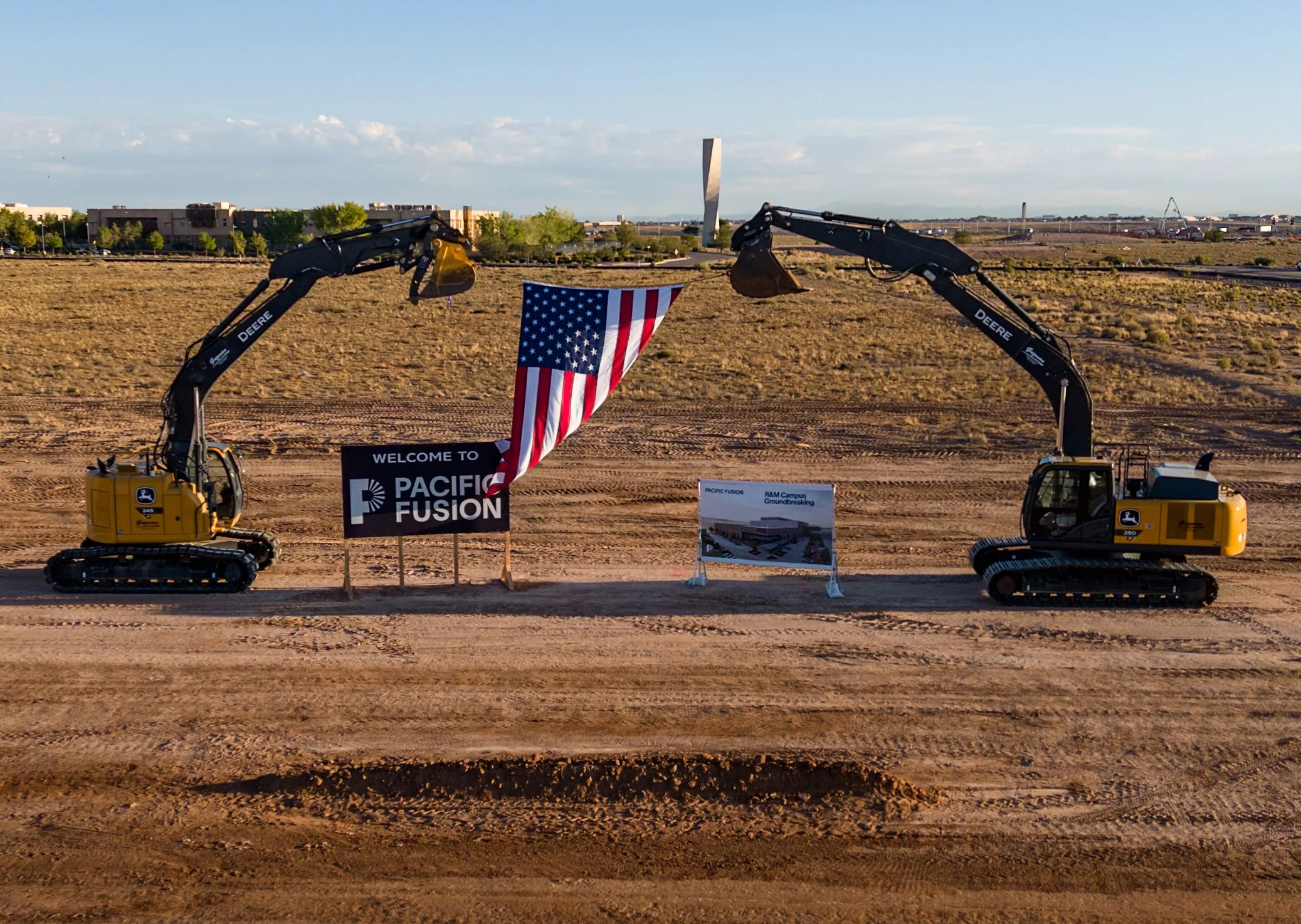
Announcing the Mesa Del Sol R&M Campus
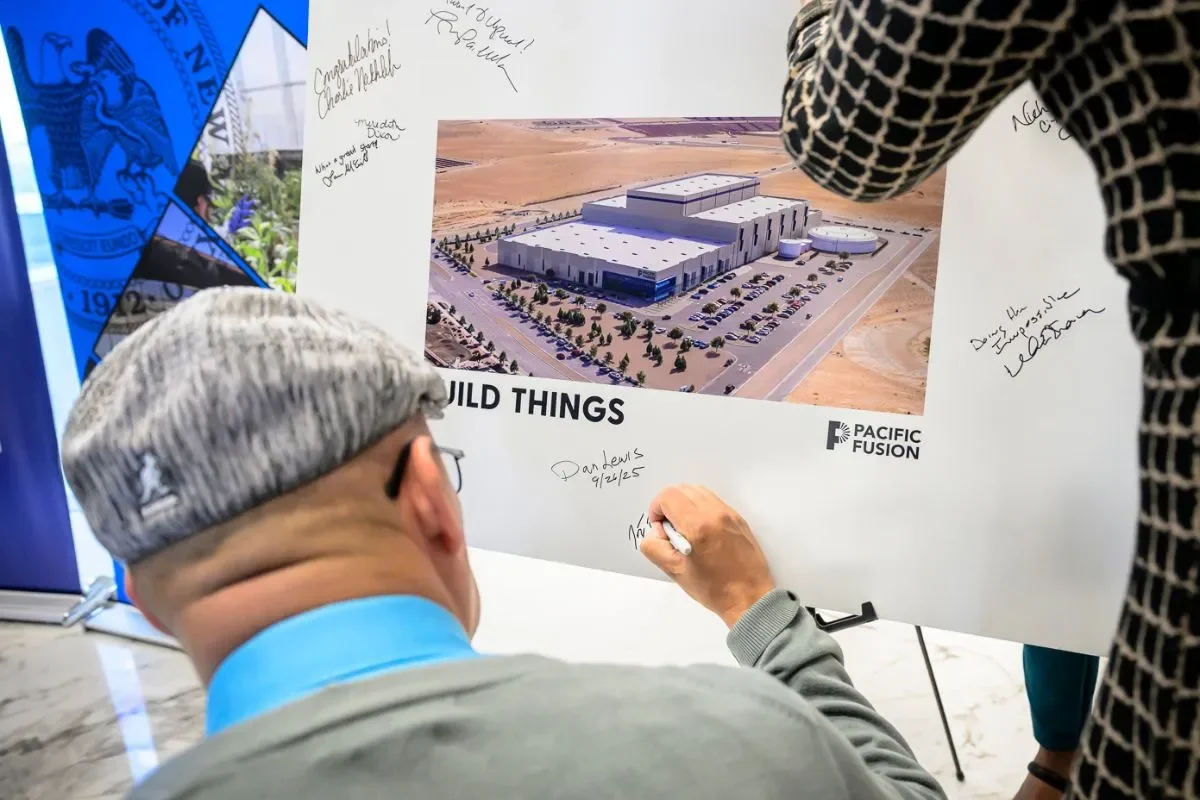
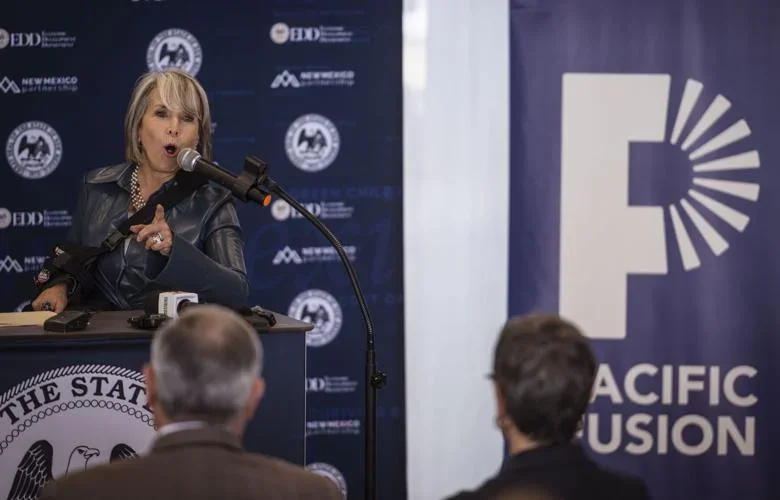
Albuquerque Journal
Pacific Fusion chooses Albuquerque for $1 billion nuclear fusion site
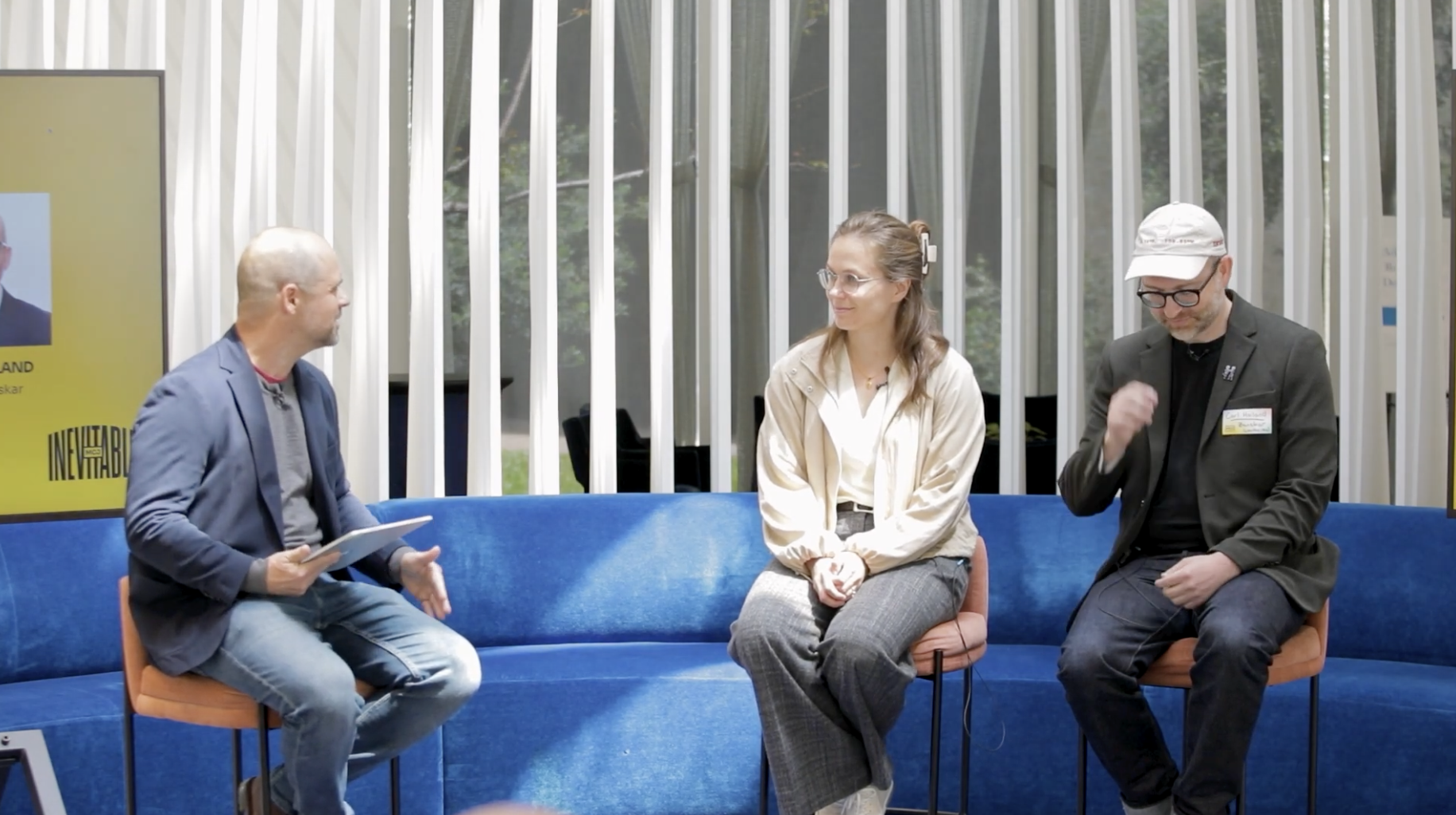
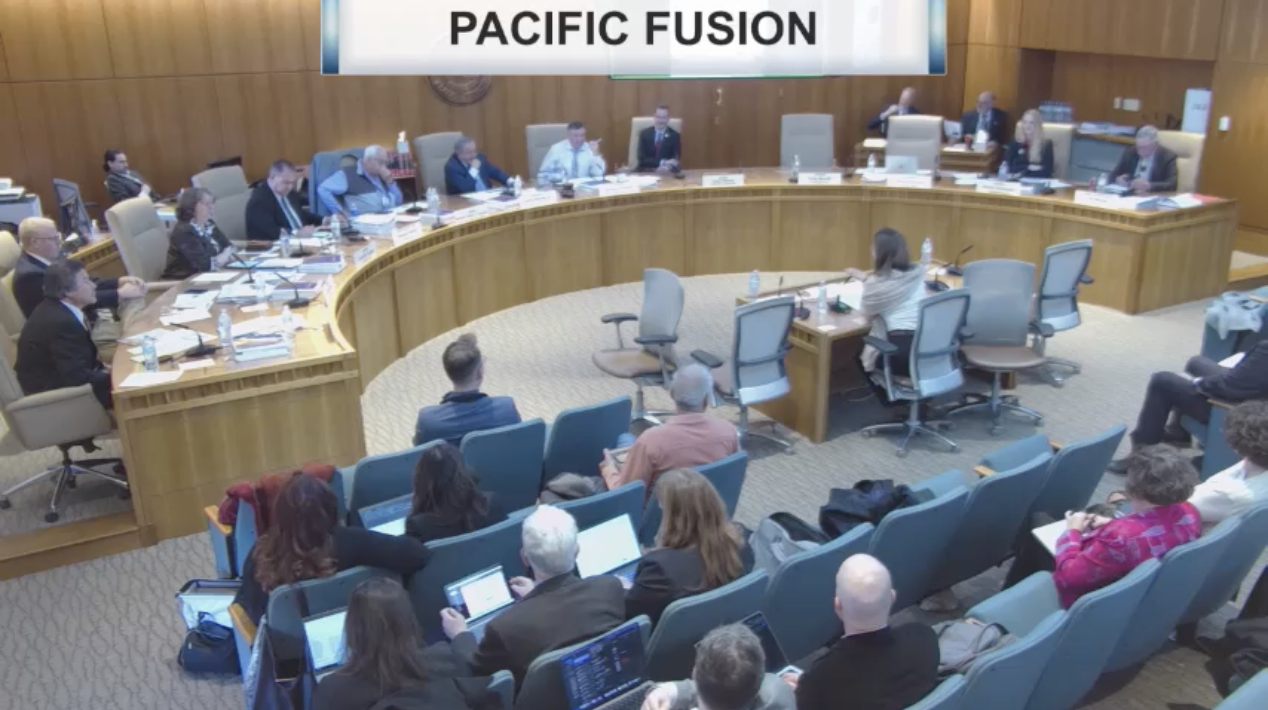
Watch the highlights from our Albuquerque R&M Campus announcement below.
Careers
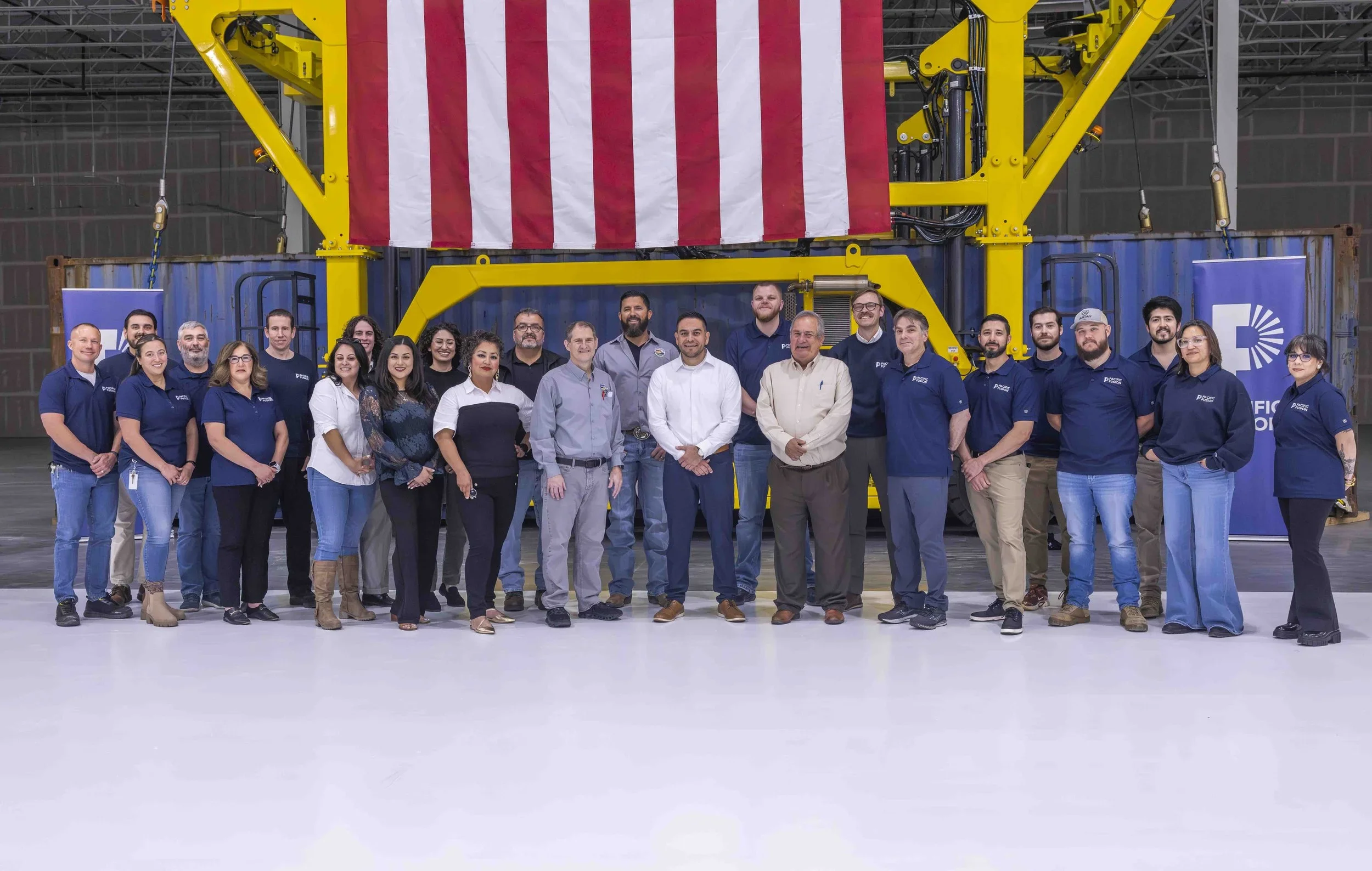
Pacific Fusion is rapidly expanding in New Mexico. We're currently hiring across roles and disciplines for our Los Lunas Build Center.
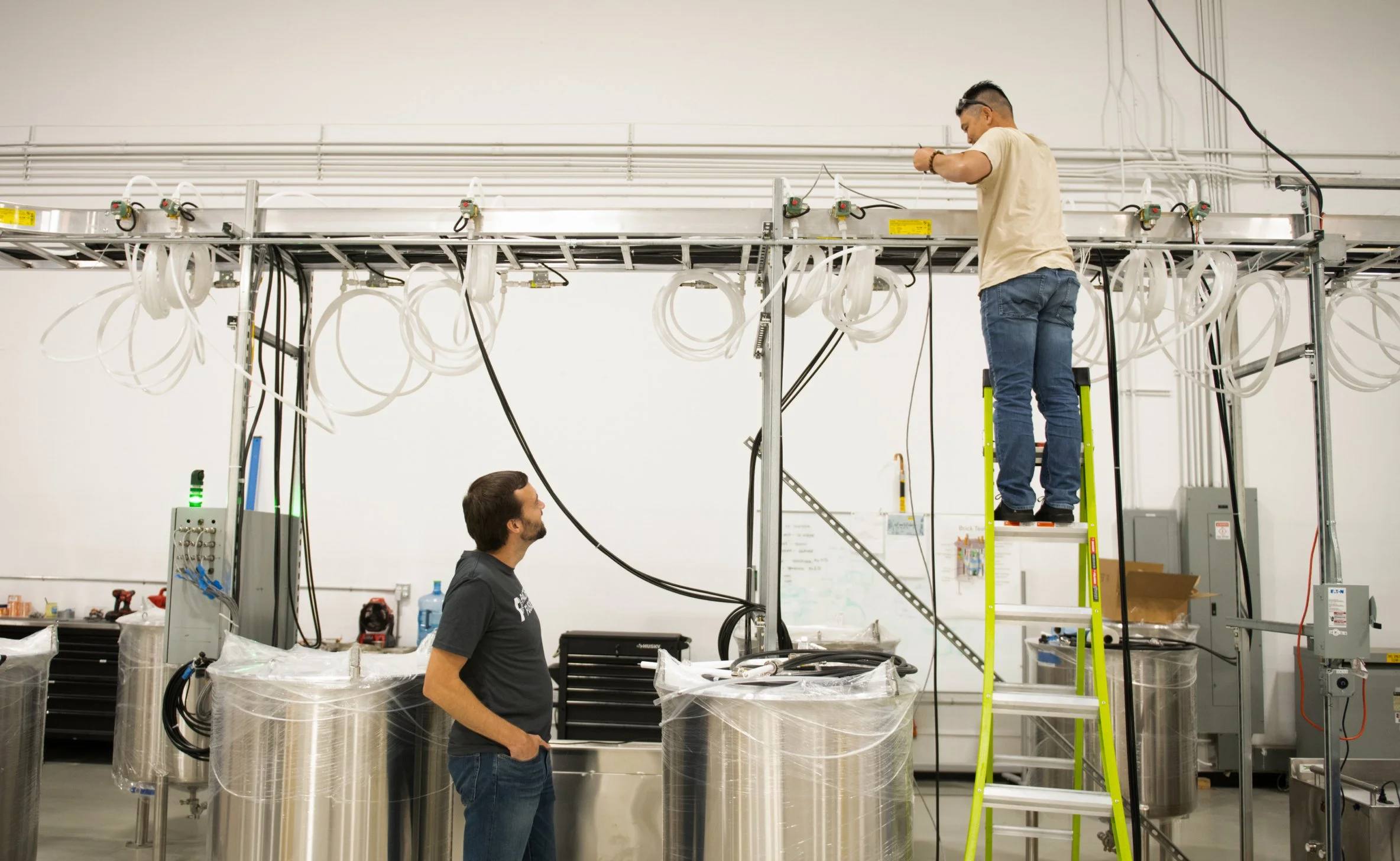
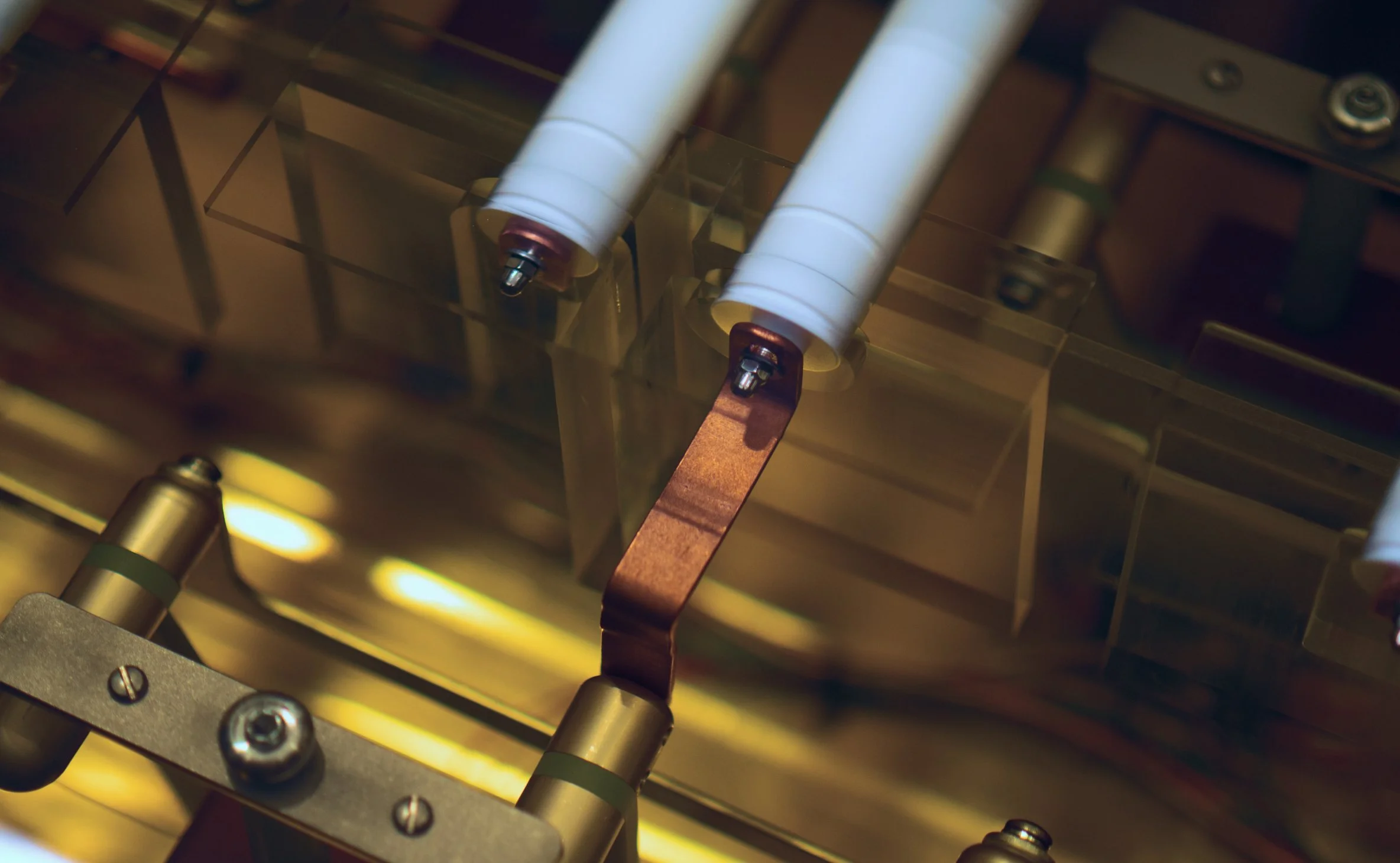

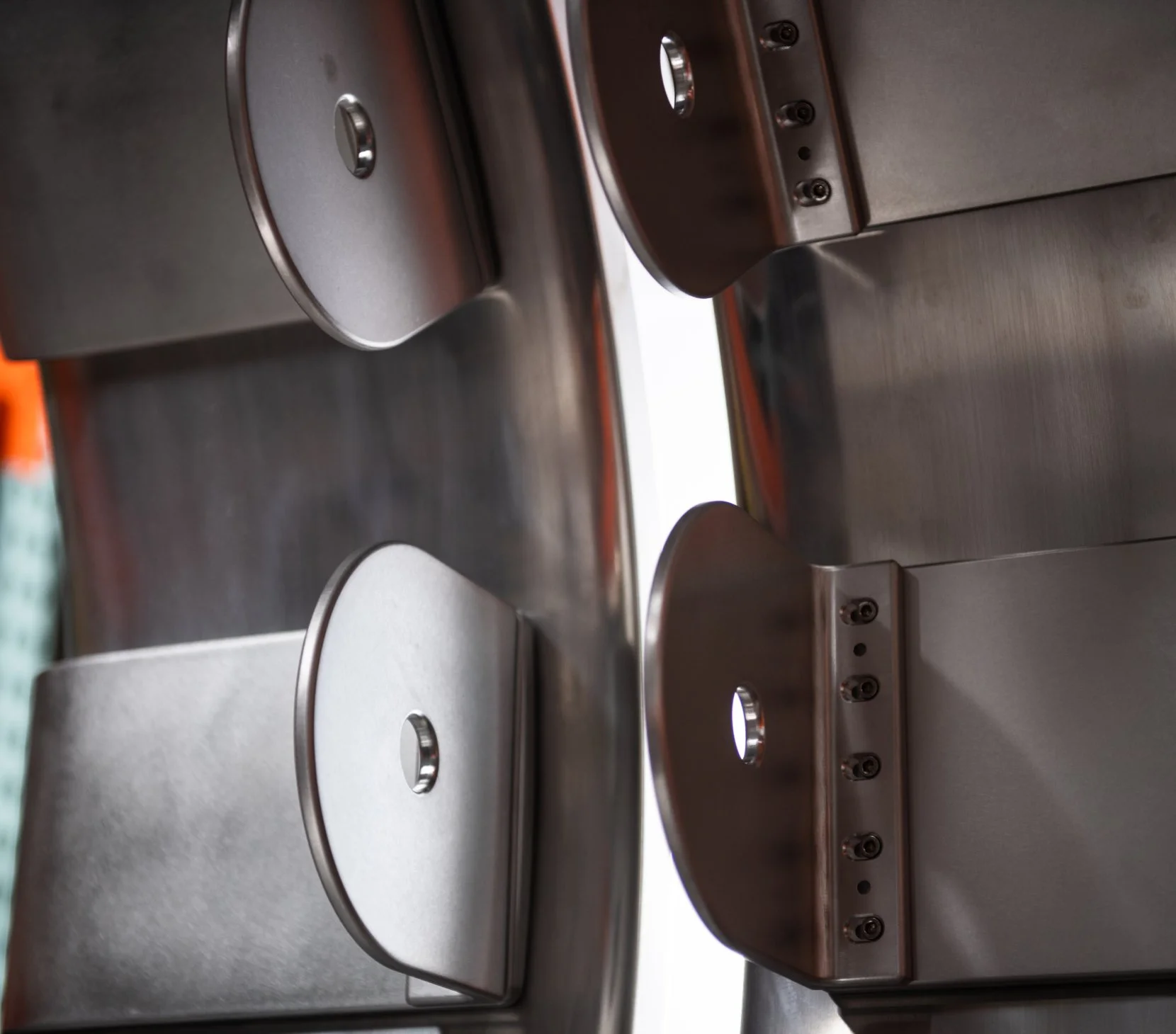
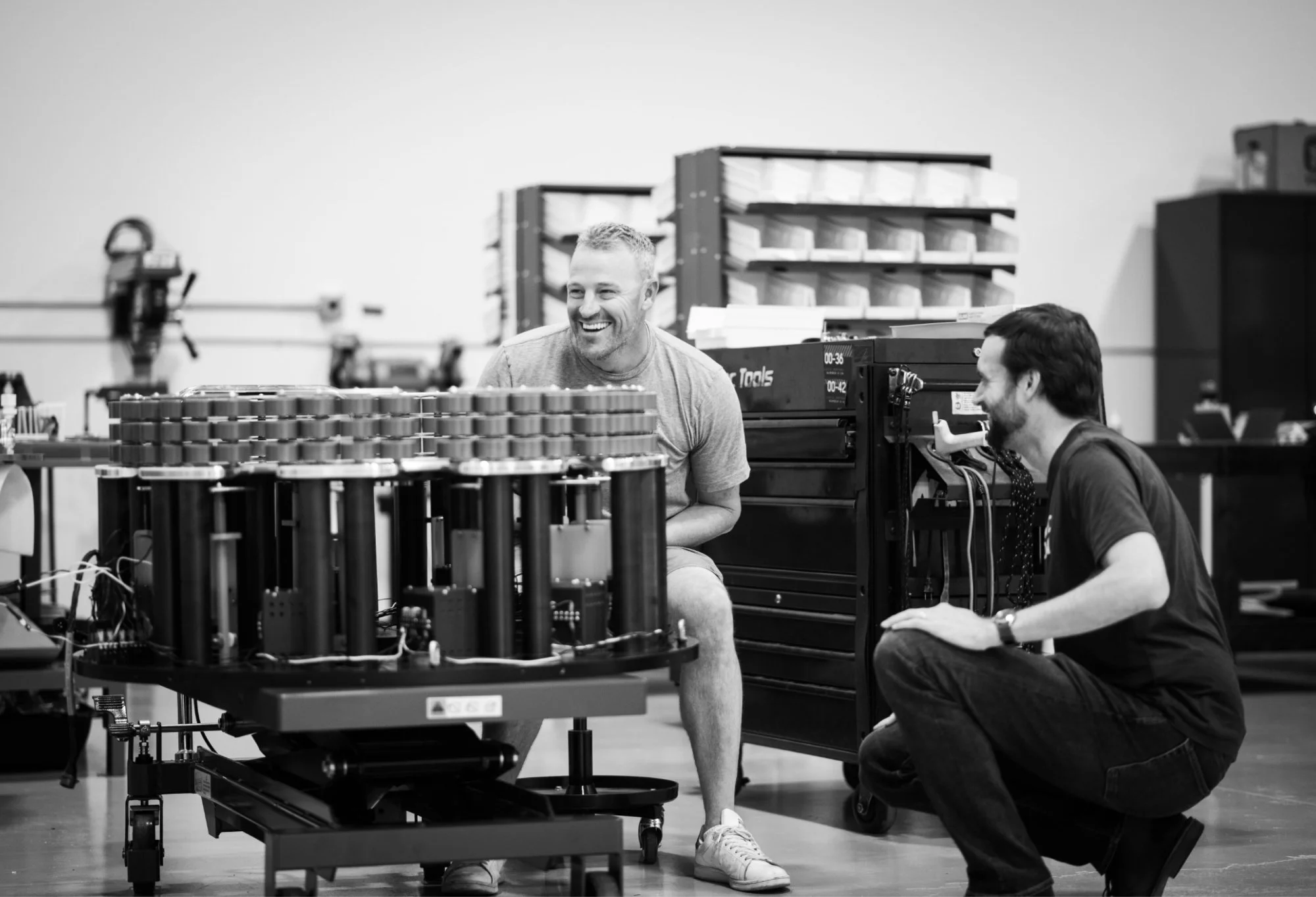
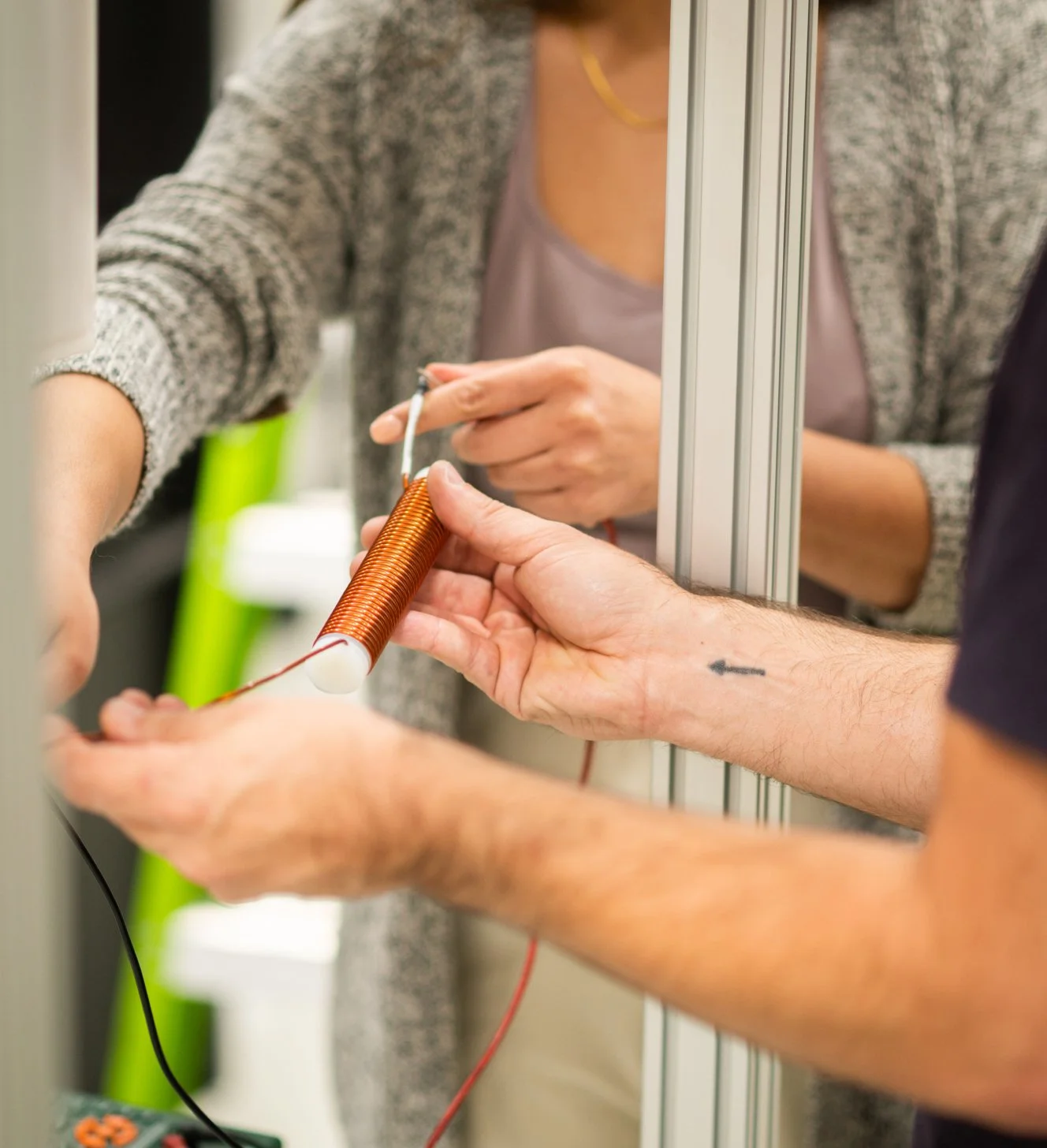
An R&M Campus and Build Center in New Mexico
Pacific Fusion’s mission is to power the world with affordable clean energy.
Our $1 billion Research and Manufacturing campus will be built in Mesa del Sol in Albuquerque and will host our first Demonstration System, which aims to achieve net facility gain—producing more fusion energy than it consumes—by 2030. This facility is not a power plant, however it marks a critical step toward delivering clean, on-demand fusion power to the grid.
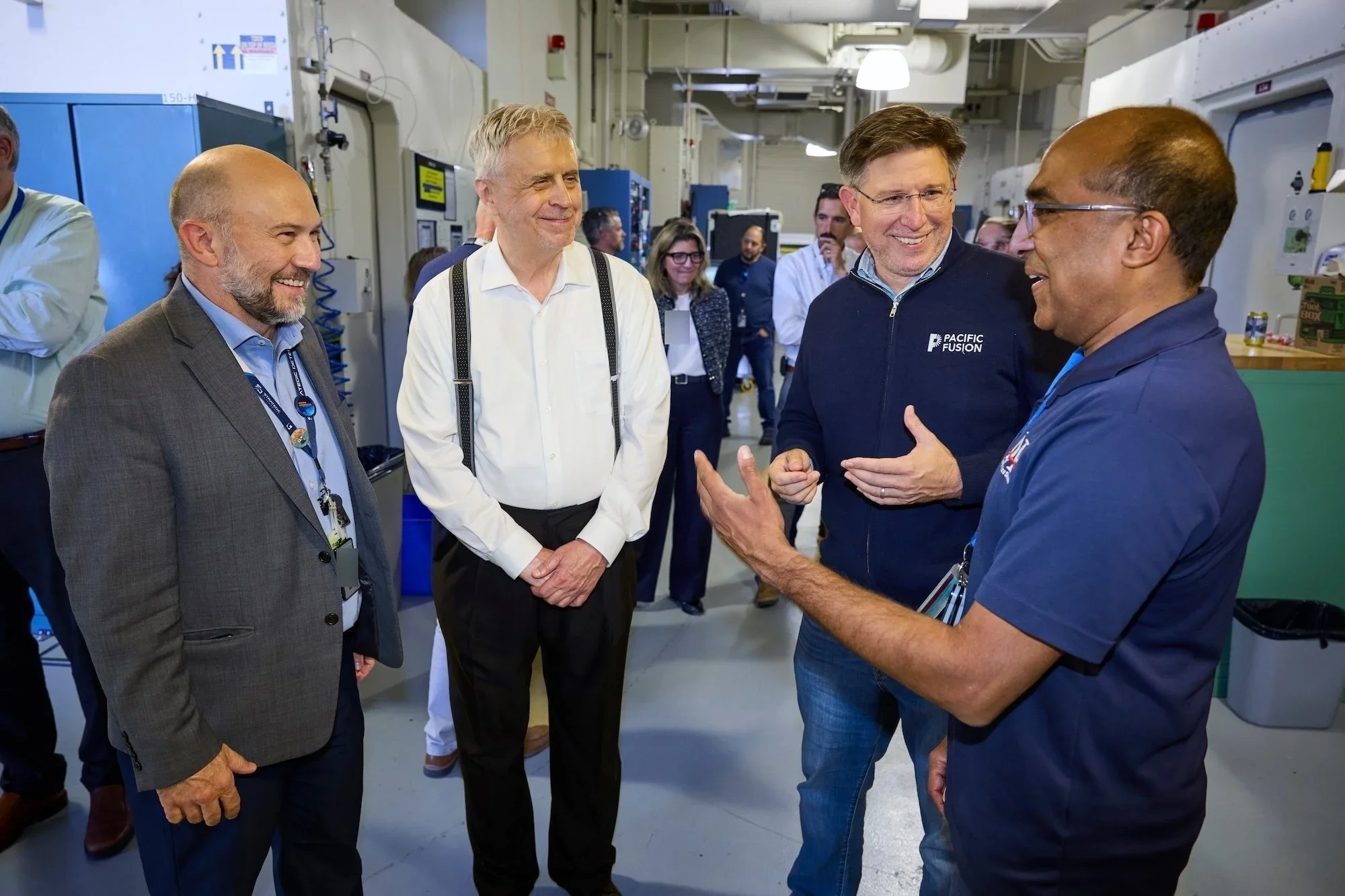
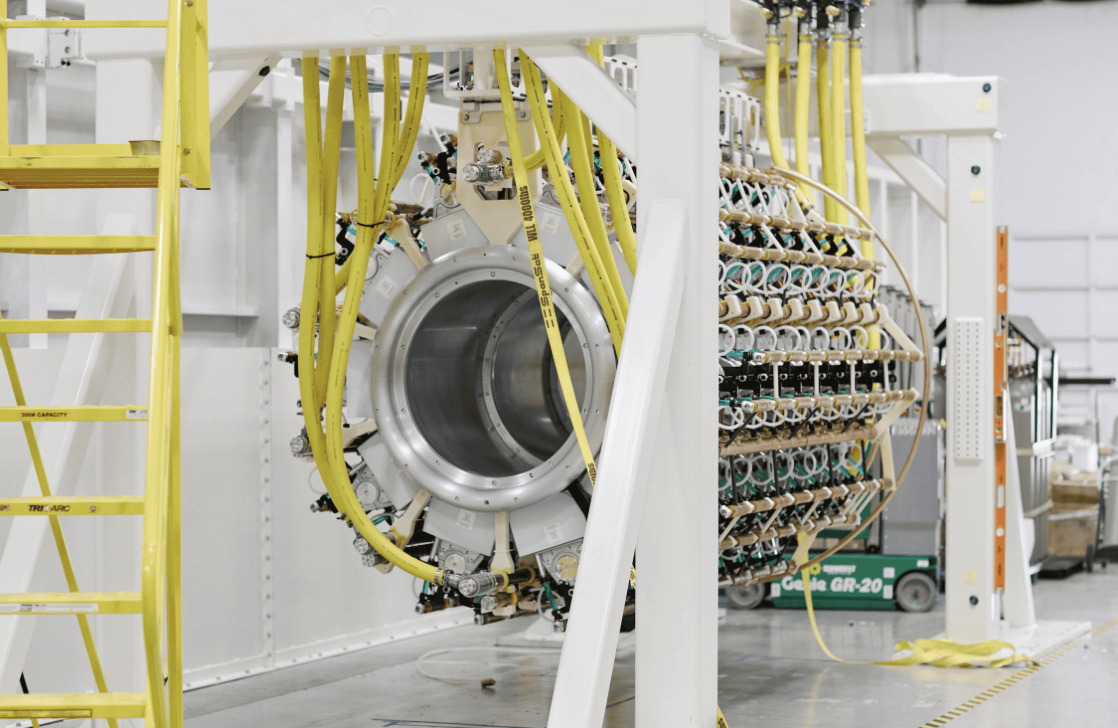
While we develop our flagship campus in Albuquerque, we’re standing up a new Build Center in Los Lunas where our team will manufacture many components of the Demonstration System.
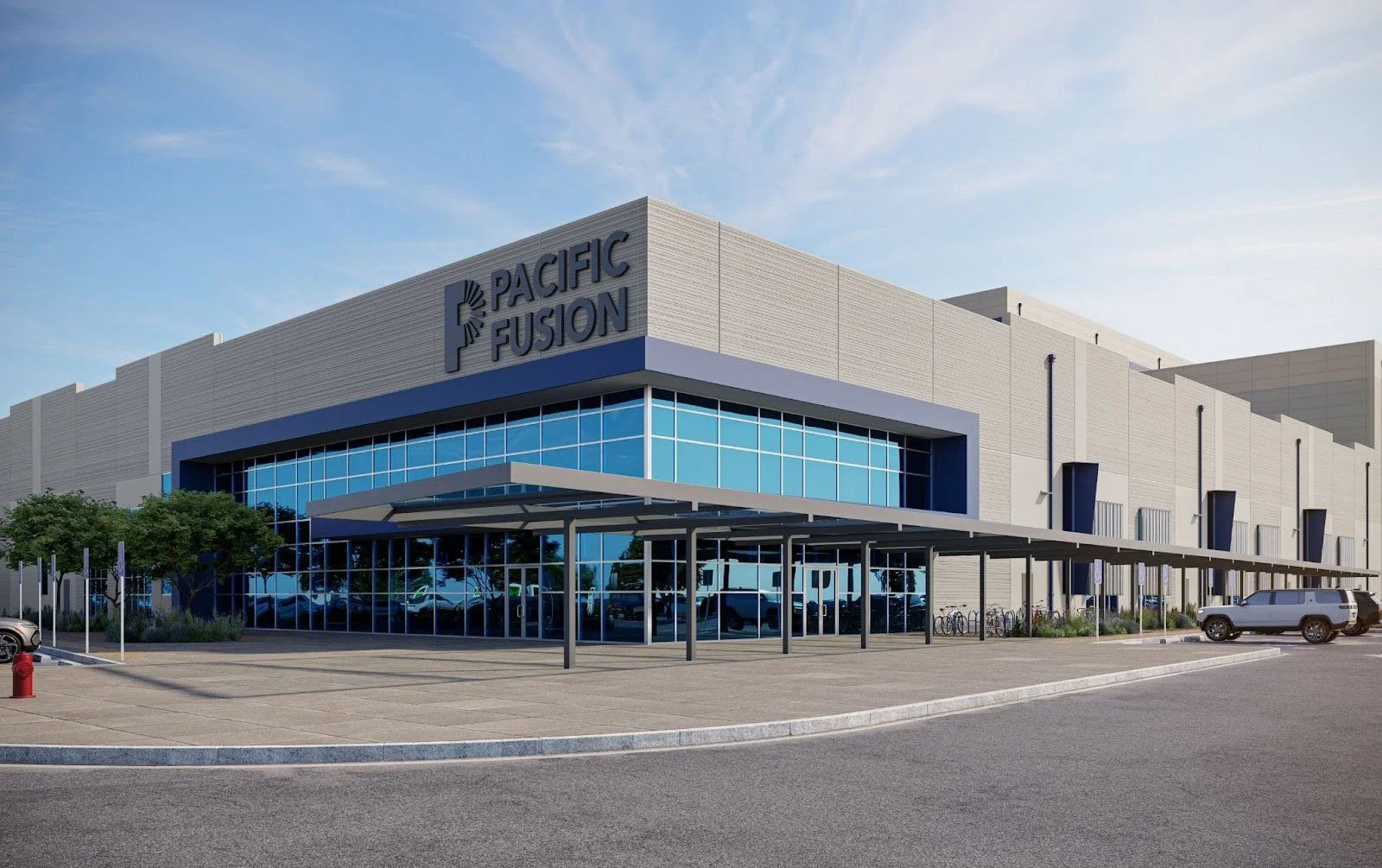
Rendering of our R&M Campus
New Mexico's enthusiasm, support, and spirit of collaboration made it the clear choice for our Demonstration System and this billion-dollar project.
The project will create 200 permanent jobs and hundreds of construction roles, generate tax revenue, and expand STEM education and workforce development opportunities. It also builds on New Mexico's leadership in applied physics to accelerate clean energy innovation.
FAQ
-
For billions of years, fusion has powered the sun and stars. It is the process of joining together light atoms. This is the opposite of fission, which entails splitting heavy atoms.
Fusion is among the most environmentally friendly sources of energy. As global energy demand continues to increase, there is a growing and more urgent need for new sources of energy. Harnessing fusion here on Earth could provide limitless, clean, on-demand power to drive prosperity around the world. But for fusion power to be commercially viable, we need an approach that combines established science, practical engineering, and affordable manufacturing.
-
Fusion is safe. The International Atomic Energy Agency (IAEA) summarizes fusion safety:
Fusion’s two sources of fuel – deuterium (an isotope of hydrogen) and lithium – are widely available on Earth. Lithium is used to produce another hydrogen isotope called tritium, which is used in small amounts and contained in a closed circuit. Tritium is weakly radioactive (a beta emitter) and has a short half-life.
Fusion systems are inherently safe; they cannot “run away” or melt down.
Fusion does not create any long-lived radioactive waste. Small quantities of low-level radioactive waste byproducts, such as metal debris that has been activated, will be stored temporarily onsite and disposed of through registered radioactive waste brokers, similar to university and medical facilities that use radioactive materials
-
This project will build on New Mexico’s historic achievements in fusion and further advance the state’s position as a leader in clean energy innovation. It will create 200 full-time jobs in New Mexico, in addition to hundreds more construction and related jobs, and other workforce development and educational programs to the region.
-
No, there are no mechanisms to produce noise or vibration during daily operations.
-
Pacific Fusion is creating a fusion system that is both technologically robust and economically viable. We utilize an approach known as pulser-driven inertial fusion. This entails using fast-rising, high-current pulses to magnetically squeeze and heat small containers of deuterium-tritium fuel, driving it to fusion conditions.
Here is a brief explanation of how it works:
A brief but very large electric current is run across a small metal cylinder (less than half an inch in size) containing fusion fuel.
The electric current creates a powerful magnetic force that rapidly squeezes the cylinder, driving the fuel inside to fusion conditions and releasing large amounts of energy which is then used to generate electricity.
The process is repeated over and over.
We build on established science and industry-leading fusion advancements, including the National Ignition Facility at Lawrence Livermore National Laboratory achieving ignition and also recent high-performance fusion results on the well-proven Z Machine at Sandia National Laboratories.
-
We have a monthly newsletter dedicated to sharing the latest New Mexico project news and updates, including hiring and growing our local workforce, and our partnership with organizations, schools, and community leaders across the region. You can register for our newsletter using the form below.
Stay
connected
Subscribe to receive updates on Pacific Fusion’s expansion in New Mexico.